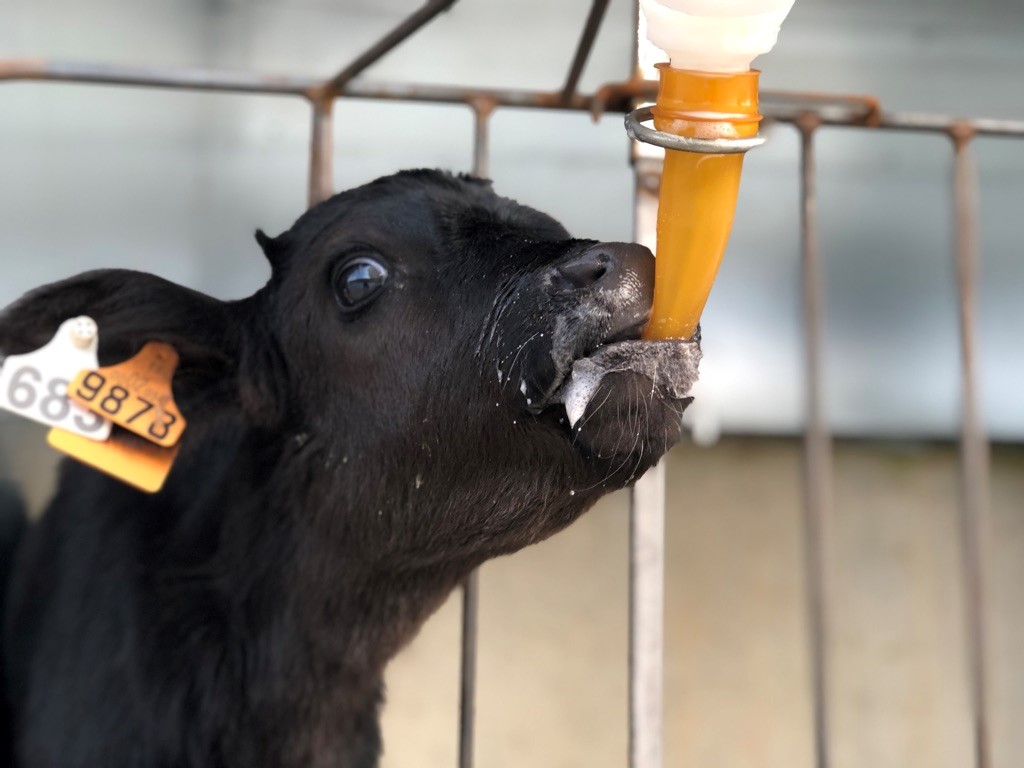
Webinar Codabe: Can we raise calves with improved health with less antibiotics?
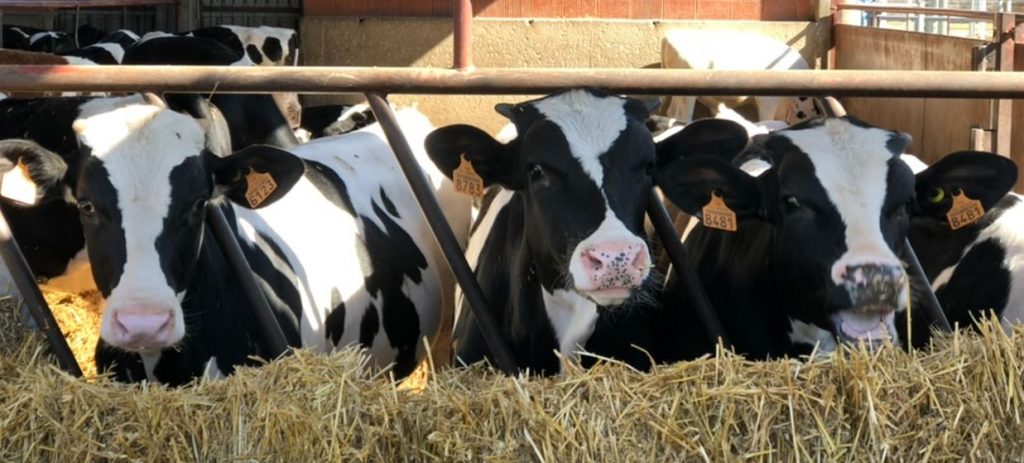
The objective of the present DEMO project entitled "BEEFMETALIST - Estimating tool for enteric methane emissions from fattening calves" is to provide the beef cattle sector with a practical tool to estimate methane emissions from 'ruminal origin of fattening calves in our production system through the use of methane meters installed on a commercial farm and a "calculator" application.
The impact of the provision of these tools is the ability to have more data and knowledge about the enteric emissions of methane in fattening calves to be able to implement nutritional or management strategies that reduce these emissions, while gaining competitiveness against 'a potential environmental fee.
Activity financed through Operation 01.02.01 of Technology Transfer of the Rural Development Program of Catalonia 2014-2022.
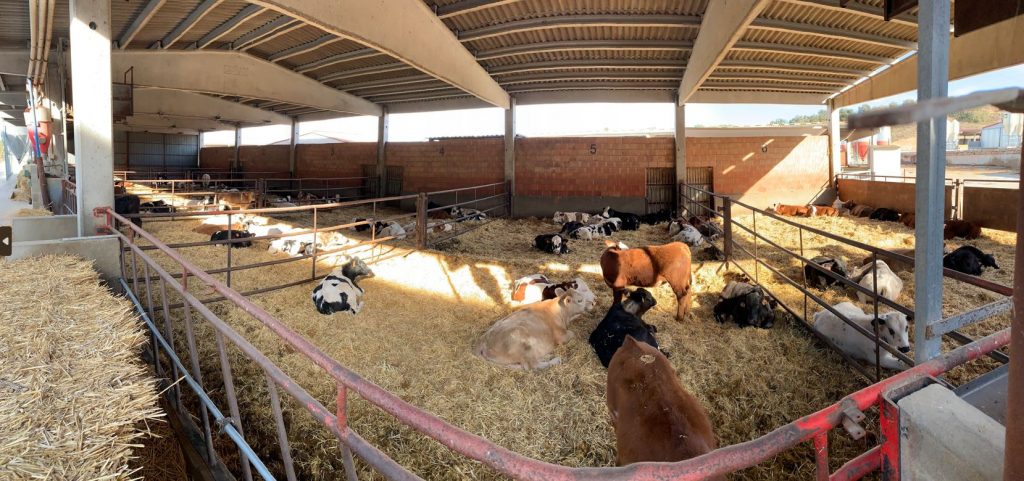
The organizers and speakers have prepared this seminar with the hope that we can understand better the environmental impact of the dairy beef production and to debate how to improve it. Interpreting the data that measure the environmental impact is not as easy as we think, which are the critical points to have in mind when looking at those data ? Do studies support the hypothesis that beef produced from dairy beef has a lower impact compared with the beef produced from suckler cows? In the first part of the seminar, we hope to answer these questions.
In the second part we want to talk about strategies to reduce the environmental impact of dairy beef production as we are compromised to reduce it.
Attracting the next generation of farmers is a key challenge for the agricultural sector. Europe's farming sector is dominated by an older population and the farm managers are predominantly men; women are in demand as hard-working helpers, but are less involved in decision-making processes.
In this seminar, we will present the situations on farms, the challenges in inspiring women on cattle farms, gendered practices and perspectives on cattle farms and we will talk in particular about the influence of women on calf mortality and management.
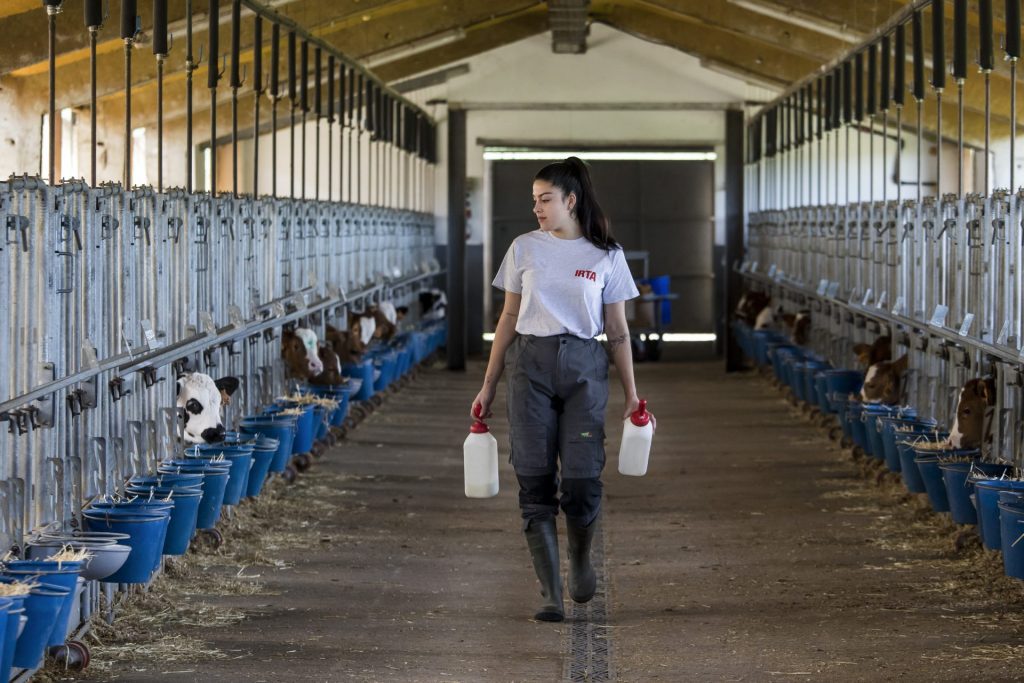
This day will present the latest results of the projects carried out as part of the demonstration projects with a clear focus on reducing the environmental impact of production and improving animal health.
Activity financed through the 01.02.01 Technology Transfer Operation of the Rural Development Program of Catalonia 2014-2022.
After eight years at the fattening calf innovation table, we are especially excited to share the main results and conclusions with you all.
The innovation table is an annual meeting organized by the IRTA, where different figures from the beef cattle sector such as farmers, companies, cooperatives, the administration and researchers of the IRTA meet, and where the needs are presented of the sector, prioritizing them to later seek solutions through research.
This day is part of demonstration activities, operation 01.02.01 (technology transfer) of the PDR 2014-2020.
Xavier Vergara Mármol has a double degree in Veterinary Medicine and Animal Production Science (2019) from the University of Lleida (UdL). From the end of his studies until today, he has been working as a technician in the Ruminant Production Program. Participates in various nutrition and animal welfare projects, mainly in fattening calves, but also in lactating calves.
Lourdes Llonch Fernández holds a degree in Veterinary Medicine (2015) and a PhD in Animal Production (2021) from the Autonomous University of Barcelona (UAB). Since 2021, she has been working at IRTA as a postdoctoral researcher in the Ruminant Production Program. His line of research focuses on beef cattle, specifically in the application of nutritional and management strategies in order to improve the productive efficiency of animals, their health and welfare, as well as the sustainability of the sector, to through different projects such as demonstration activities (within the 01.02.01 operation of technology transfer of the rural development program of Catalonia 2014-2020) and operational groups.
In the newborn there is an immediate change from primarily parenteral nutrition during the fetal period to exclusively enteral feeding. Postnatal nutrition is essential for survival of calves during the neonatal period and exerts transient systemic metabolic and endocrine phenomena and has also longer-lasting effects on health, performance, reproduction and meat quality that will be discussed in the present seminar.